
Political Campaign Vehicles in India have become a familiar part of the election season now. Once campaigning starts, these vehicles can be seen everywhere, outside local markets, moving through villages, parked near public meetings, or travelling from one town to another with loudspeakers and campaign branding all over them.
Earlier, most political outreach depended heavily on rallies, wall posters, newspaper ads, and local workers going door to door. Campaigning still works that way in many places, but vehicles have added something different: movement.
And during elections, movement matters a lot.
A political team rarely stays in one place for long. The schedule changes constantly. One moment, there is a roadshow in the city, then a public meeting in a nearby town, followed by village visits later in the evening. Carrying campaign material separately for every location takes time and creates unnecessary hassle.
That is probably why Election Campaign Vans are used so heavily now.
Most of these vans are prepared in advance with everything the campaign team may need during the day. Loudspeakers, banners, LED screens, campaign material, storage space, lighting setups, everything moves together with the vehicle.
In many campaigns, the vehicle itself becomes the main attraction before the candidate even arrives.
People notice moving things faster than stationary ones. A banner fixed at one location will only be seen by people passing that road. But Mobile Campaign Vehicles keep travelling continuously, covering multiple areas in a single day.
That naturally increases visibility.
Sometimes these vehicles move slowly through crowded markets, making announcements. Sometimes they are part of larger roadshows. In smaller towns, children often run behind them while local people gather around just to see what is happening.
Over time, campaign vehicles have become more organised than before.
A few years ago, many vehicles were simply covered with posters and fitted with basic loudspeakers. Now parties pay proper attention to Election Vehicle Branding & Design because appearance plays a big role during campaigns.
Vehicles are designed according to party themes, colours, symbols, and campaign style. Some use large digital screens, while others focus more on strong visual branding that people can recognise instantly from a distance.
There is also no single format anymore.
Earlier, most outreach depended only on microphones and printed banners. Now, many campaigns use video messaging, LED displays, audio systems, and digital content while travelling. They allow campaign teams to keep communicating even while moving from one place to another.
A social media campaign may reach mobile screens, but a physical vehicle entering a village creates a completely different kind of attention.
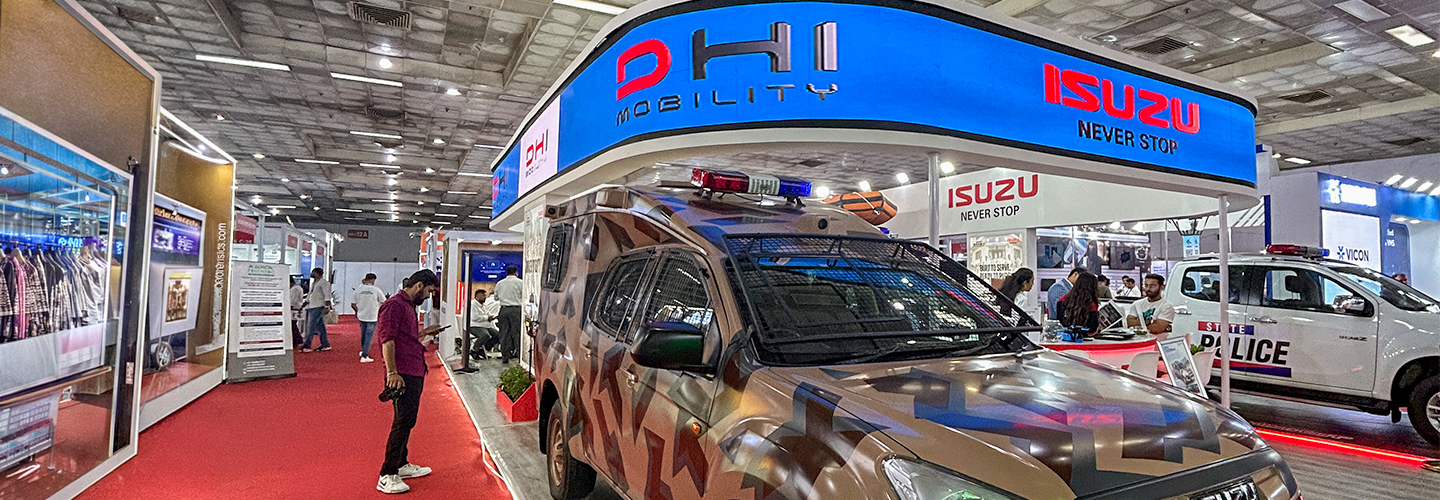
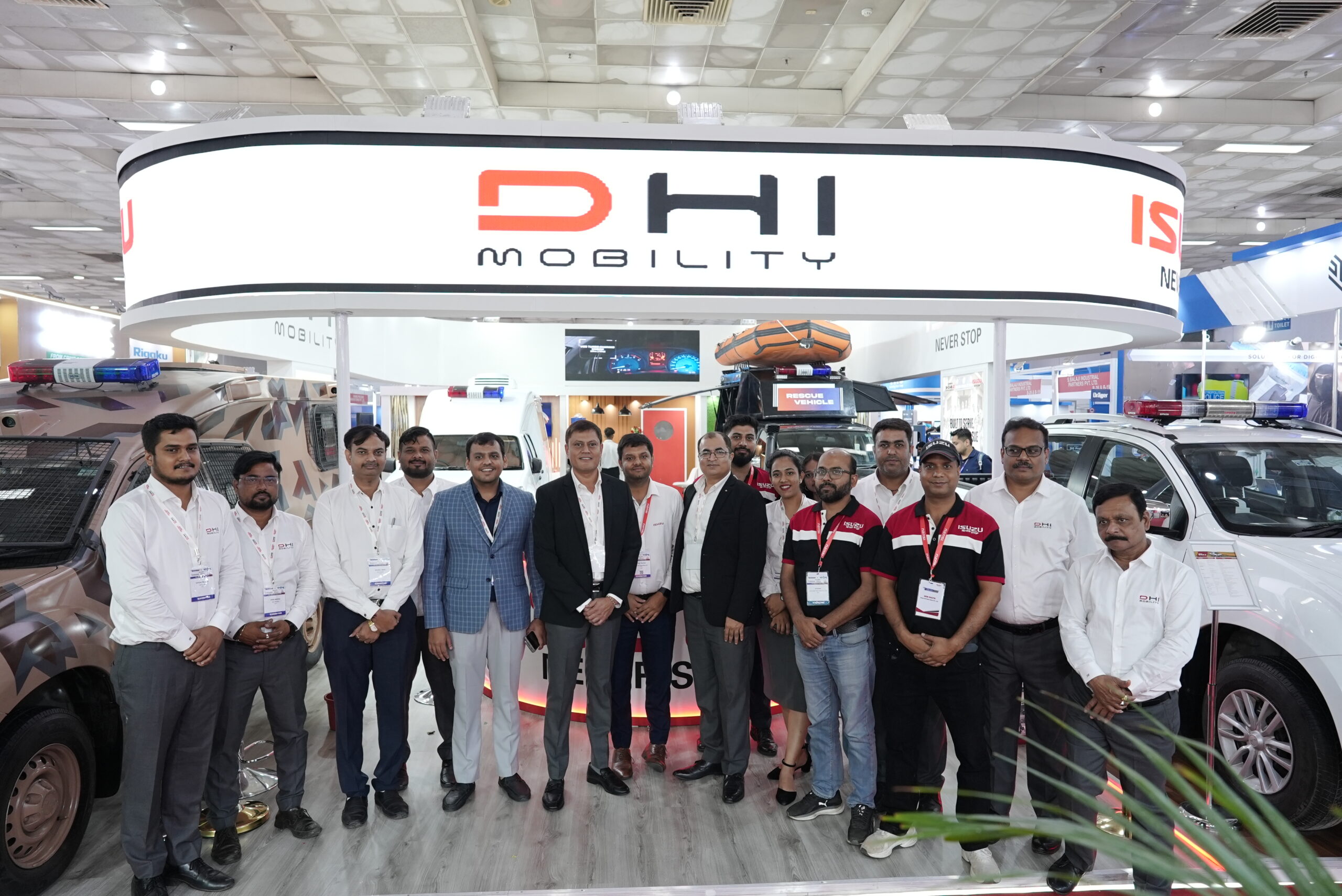
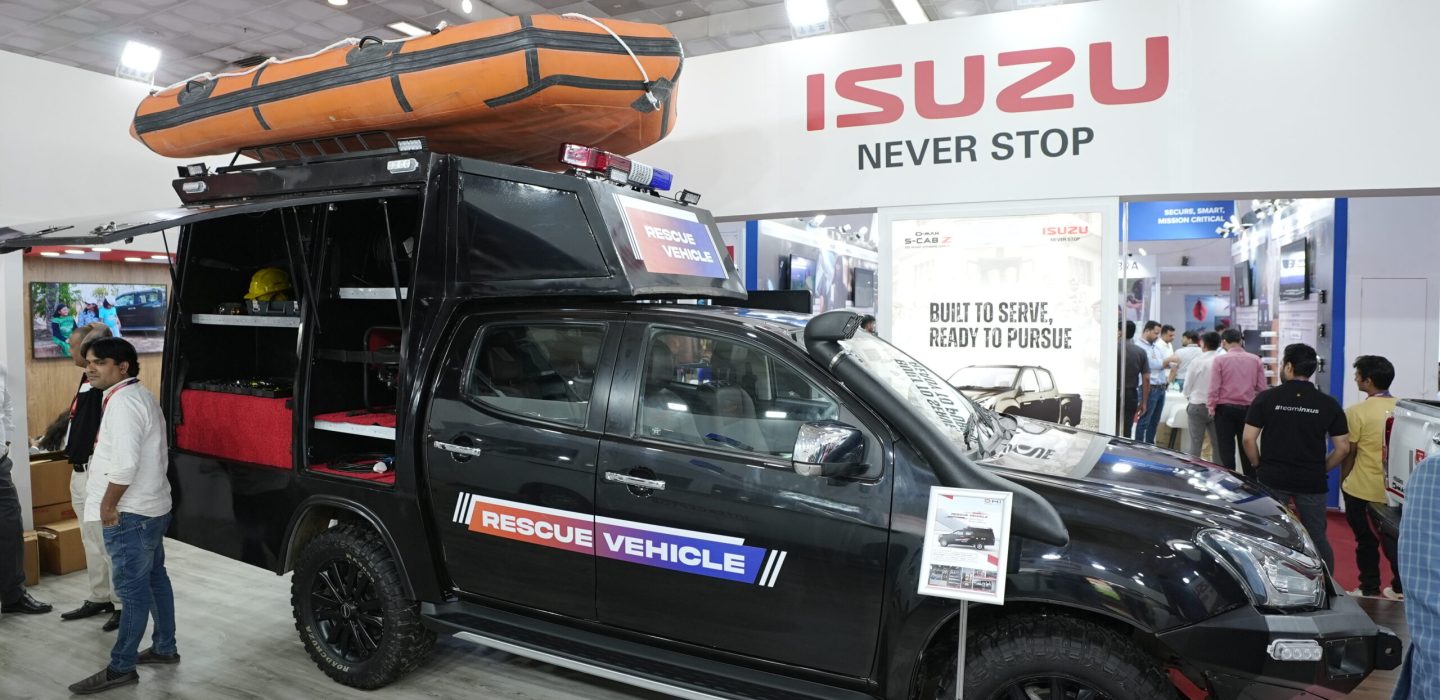
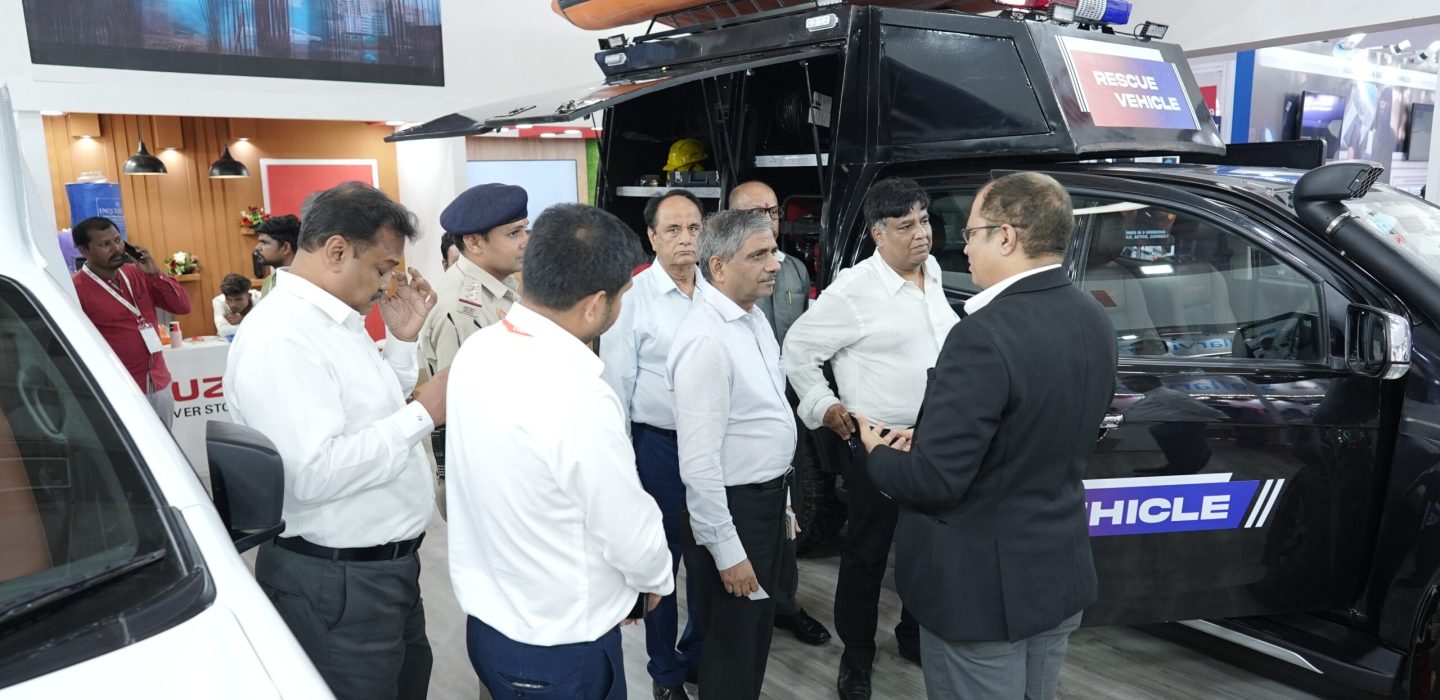
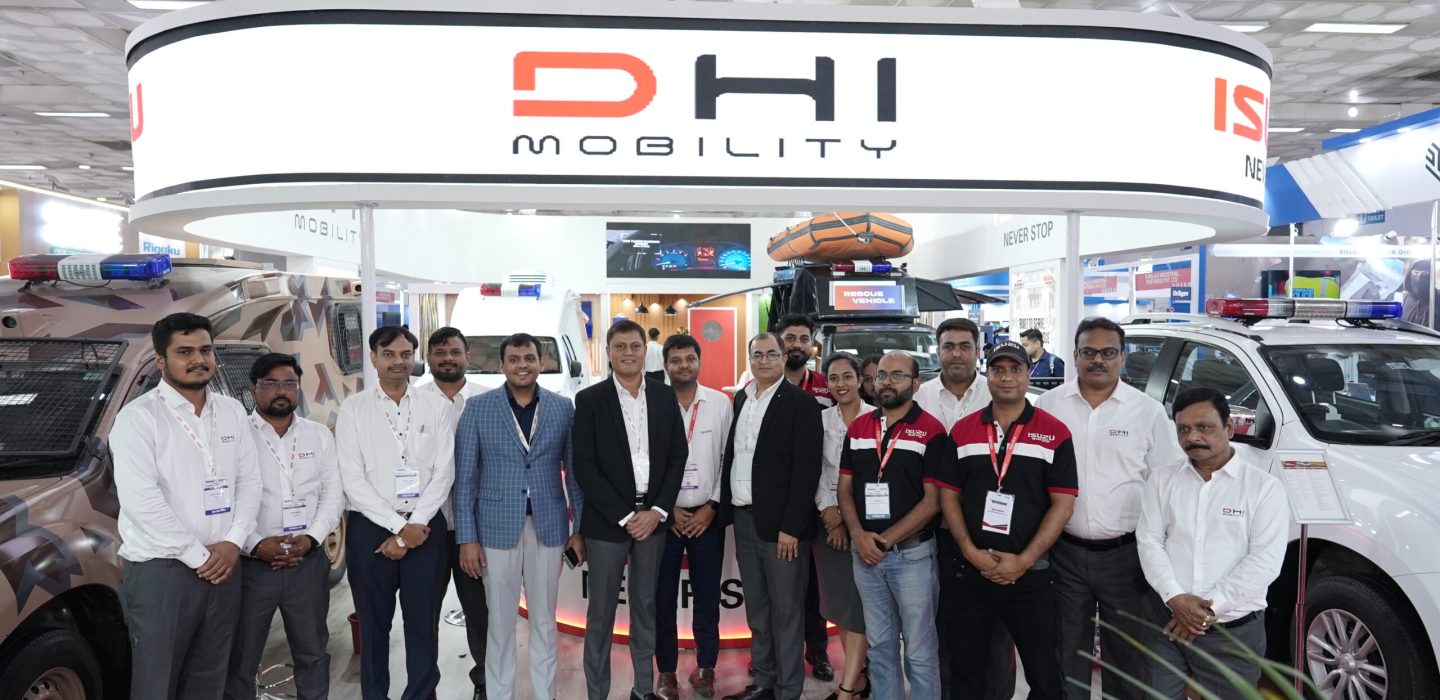
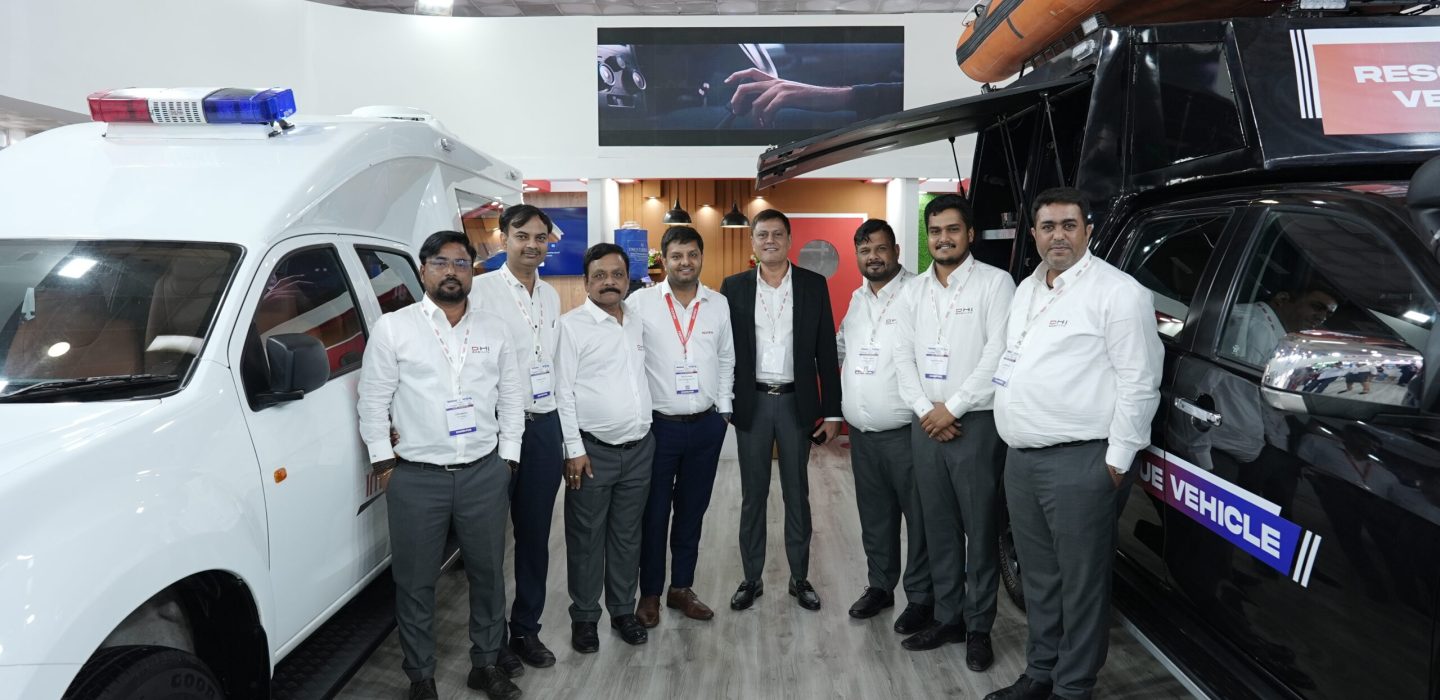
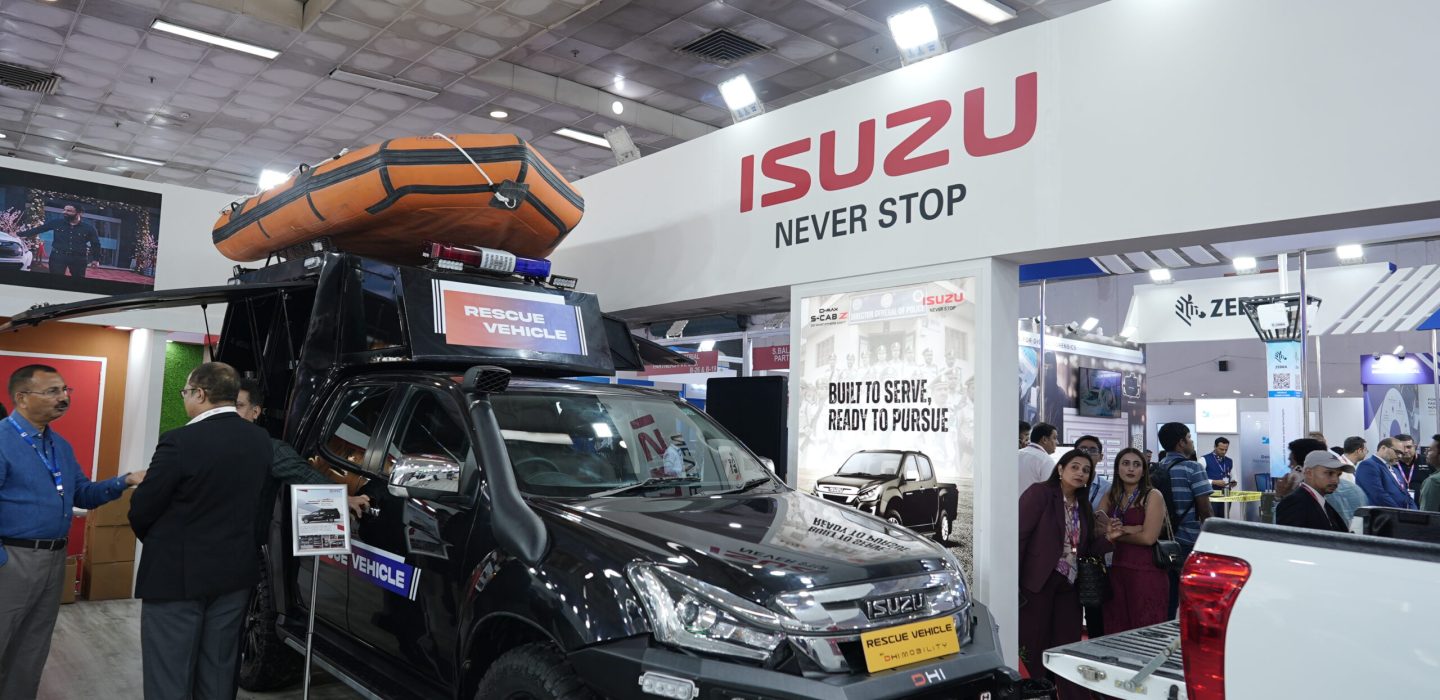
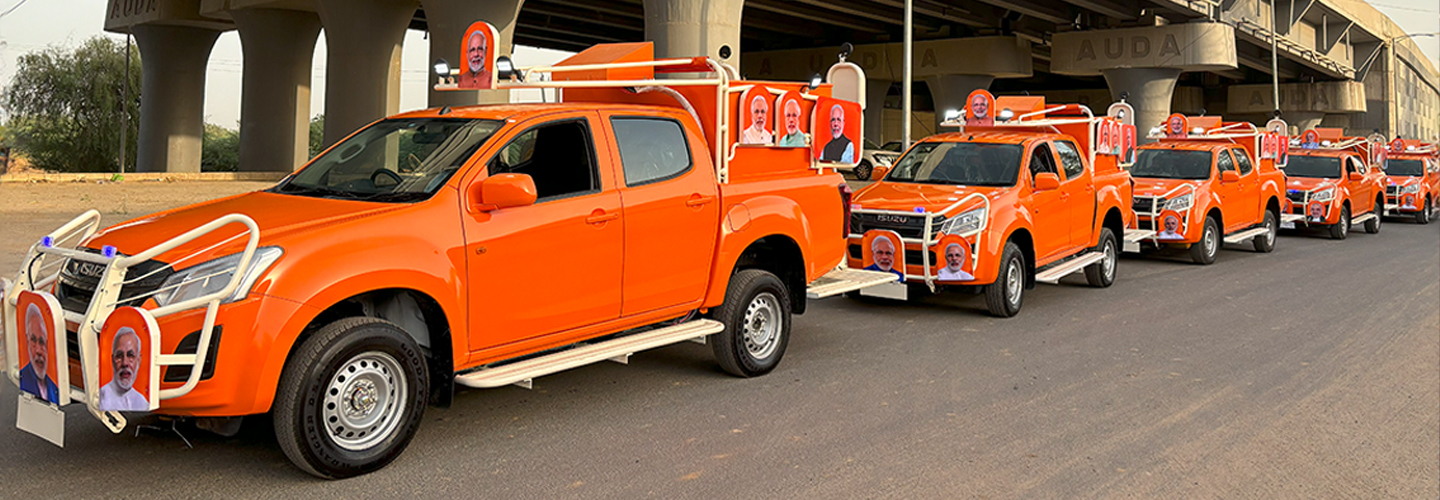
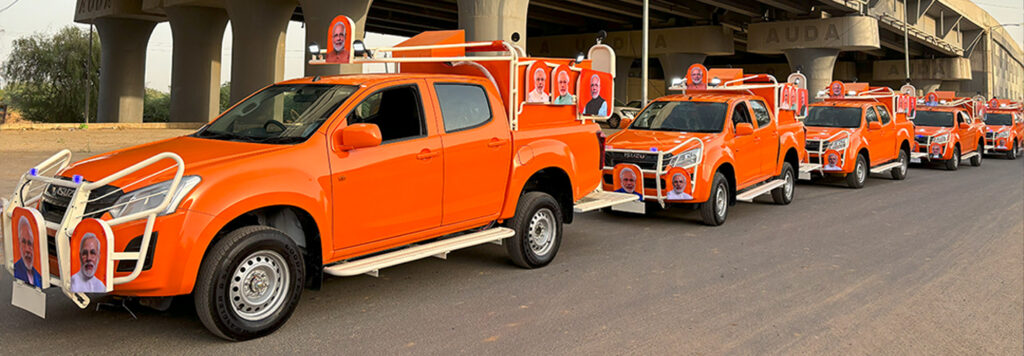
DHI Mobility specialises in designing and building high-impact campaign vehicles tailored for any political campaign or party, ensuring your message reaches the maximum number of people on the ground. These vehicles are thoughtfully engineered with practical and promotional features such as a sturdy staircase for easy access, a secure standing podium for speeches and public addresses, ample branding space for party logos and slogans, integrated security cameras for safety and crowd monitoring, and dedicated storage areas for campaign materials and equipment. Together, these specifications transform the vehicle into a powerful, mobile outreach platform that supports rallies, roadshows, and door-to-door campaigning with ease and efficiency.