
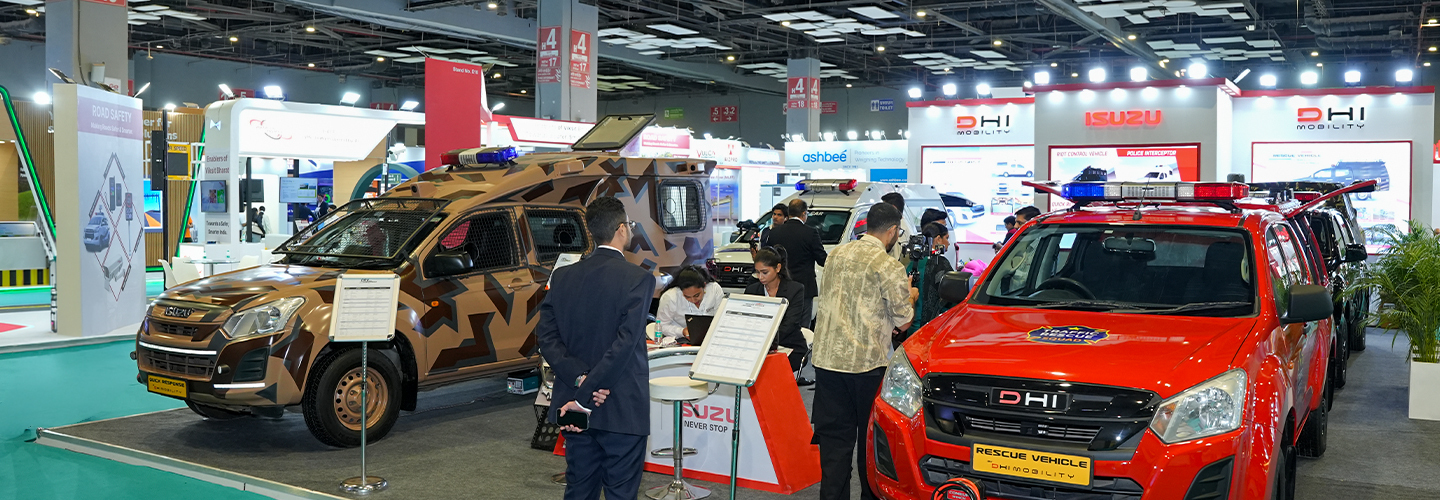
A traffic accident can bring an entire stretch of road to a standstill. While people may see the congestion first, emergency teams see something else: a situation that needs to be assessed, managed, and cleared as quickly as possible.
As Indian cities become more connected and traffic volumes continue to rise, the role of specialised rescue mobility is becoming increasingly important. Advanced traffic rescue vehicles are being designed to help response teams handle incidents with greater efficiency, particularly when an accident involves multiple vehicles, injuries, or damaged road infrastructure.
Traffic Incidents Need More Than a Quick Response
Getting to an accident site is only the beginning.
Once rescue teams arrive, they may have to deal with injured passengers, damaged vehicles, leaking fluids, broken glass, or traffic moving around the incident. In some cases, people may also need to be removed from a damaged vehicle.
This means the response team needs more than a vehicle that can reach the location quickly.
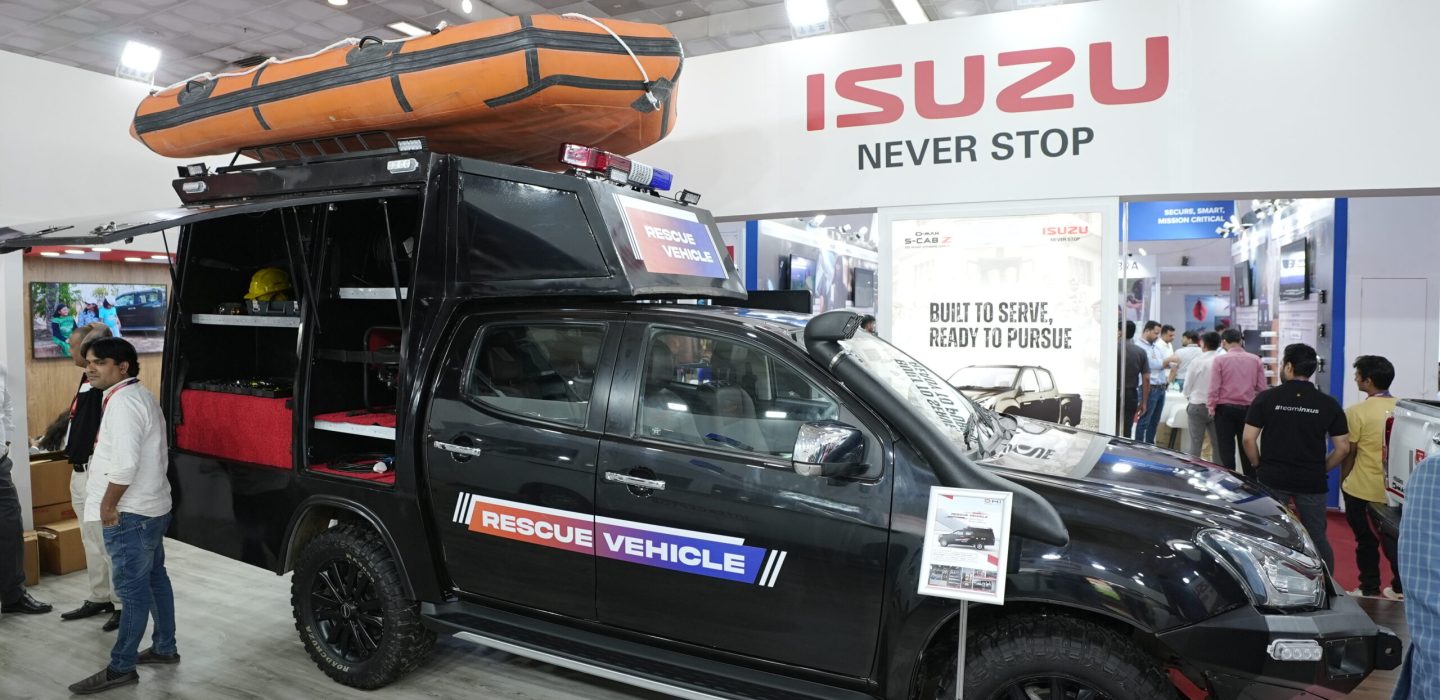
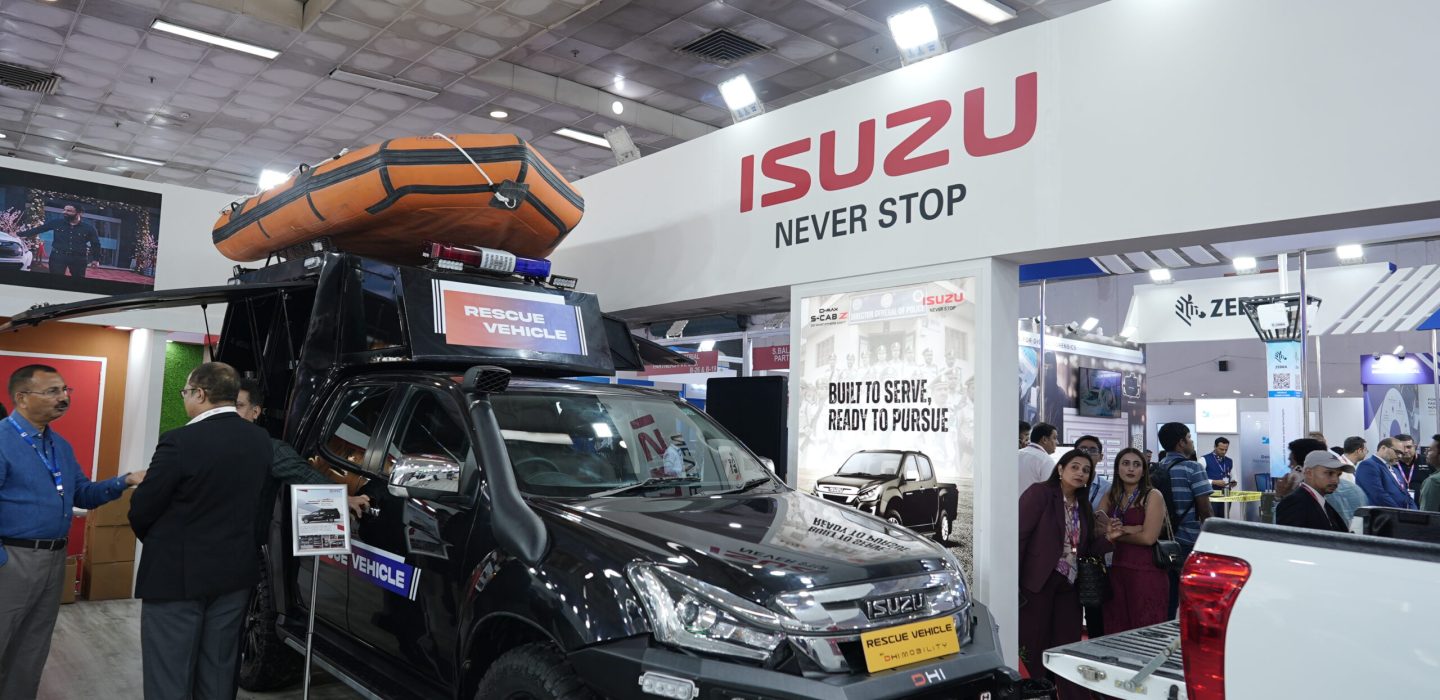
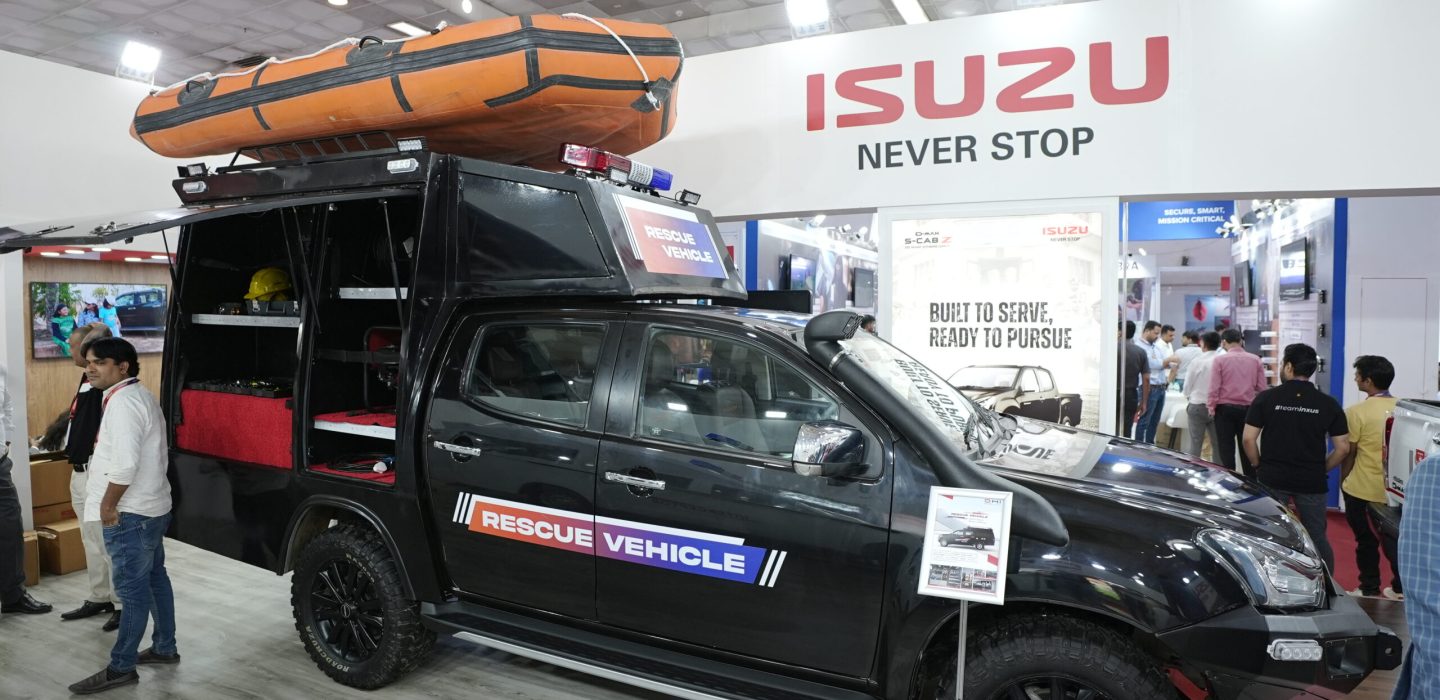
Modern traffic rescue vehicles can be configured to carry the equipment and personnel required to manage different stages of an incident. The exact configuration can vary depending on whether the vehicle is intended for highway rescue, urban response, accident recovery, or other applications.
Why Smart Cities Need Smarter Rescue Mobility
A smart city is not defined only by connected roads, digital services, or intelligent traffic signals.
Its ability to respond when something goes wrong is equally important.
A city may have sophisticated traffic management systems, but if an accident blocks a major road and rescue resources take too long to reach the location, the wider transport network can still be affected.
This is where traffic emergency response vehicles become part of the larger urban mobility system.
They can support teams working to reach accident locations, assist affected people, and help restore normal traffic movement.
The Role of Emergency Rescue Vehicles
Different emergencies require different capabilities.
An ambulance is designed around medical care. A fire vehicle is built around firefighting. A rescue vehicle may need tools for accessing damaged vehicles, handling obstacles, or supporting people at an accident site.
This is why emergency rescue vehicles need to be designed around their intended application.
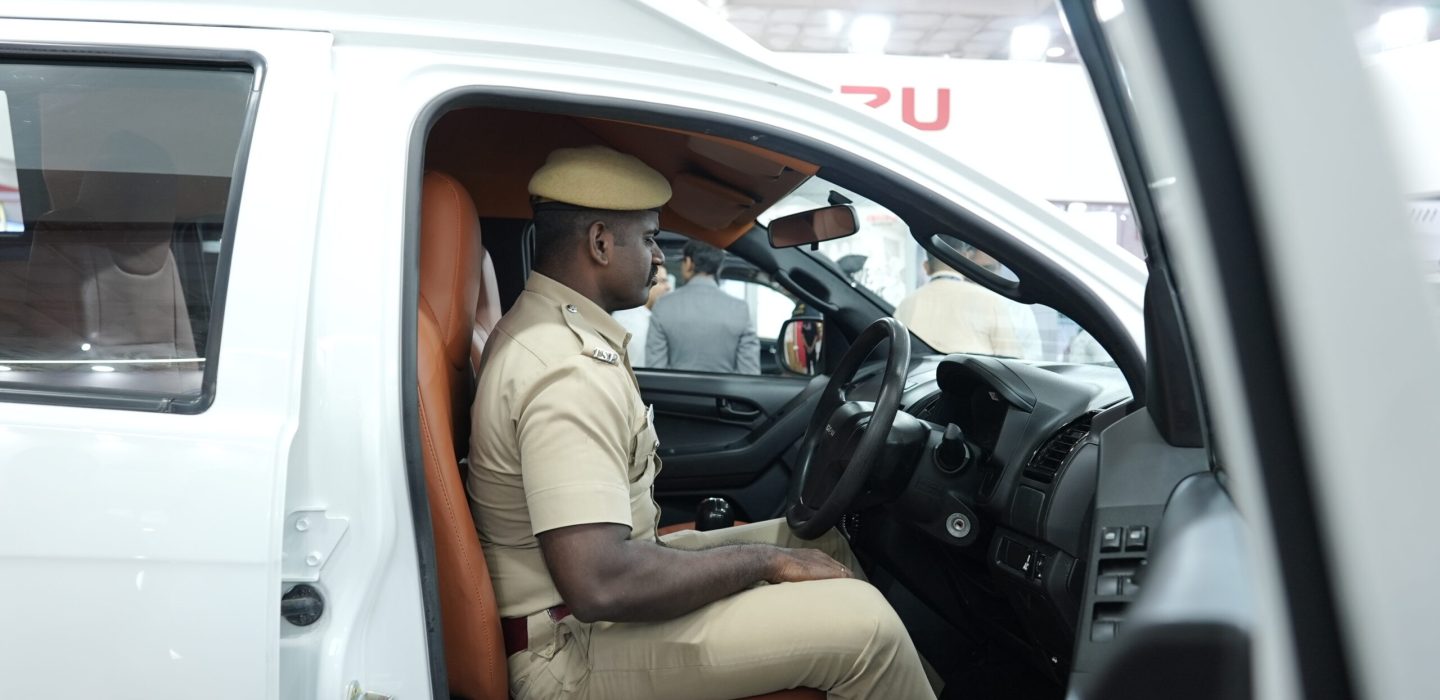
Equipment storage, power requirements, lighting, communication systems, seating, and workspace can all influence how useful a vehicle is during an emergency.
For the team using it, having the right equipment available at the right time can make the job considerably easier.
Technology Can Improve the Response
Technology is also becoming part of modern rescue operations.
Vehicle tracking can help control rooms understand where response units are located. Communication systems can keep field teams connected. Onboard equipment can provide additional support once the team reaches the incident.
When these capabilities are combined with purpose-built mobility, emergency response vehicles in India can become more than transportation platforms.
They can serve as mobile workspaces that help teams operate at the incident location.
The important point is that technology should support the people responding to the emergency. It should make their work easier, not add unnecessary complexity.
One Vehicle Cannot Do Every Job
Urban traffic emergencies can vary significantly.
A minor collision on a city road may require a different response from a major accident on a highway. A multi-vehicle crash may require additional equipment and personnel. Incidents involving commercial vehicles can bring another set of challenges.
This is why a one-size-fits-all approach may not always be practical.
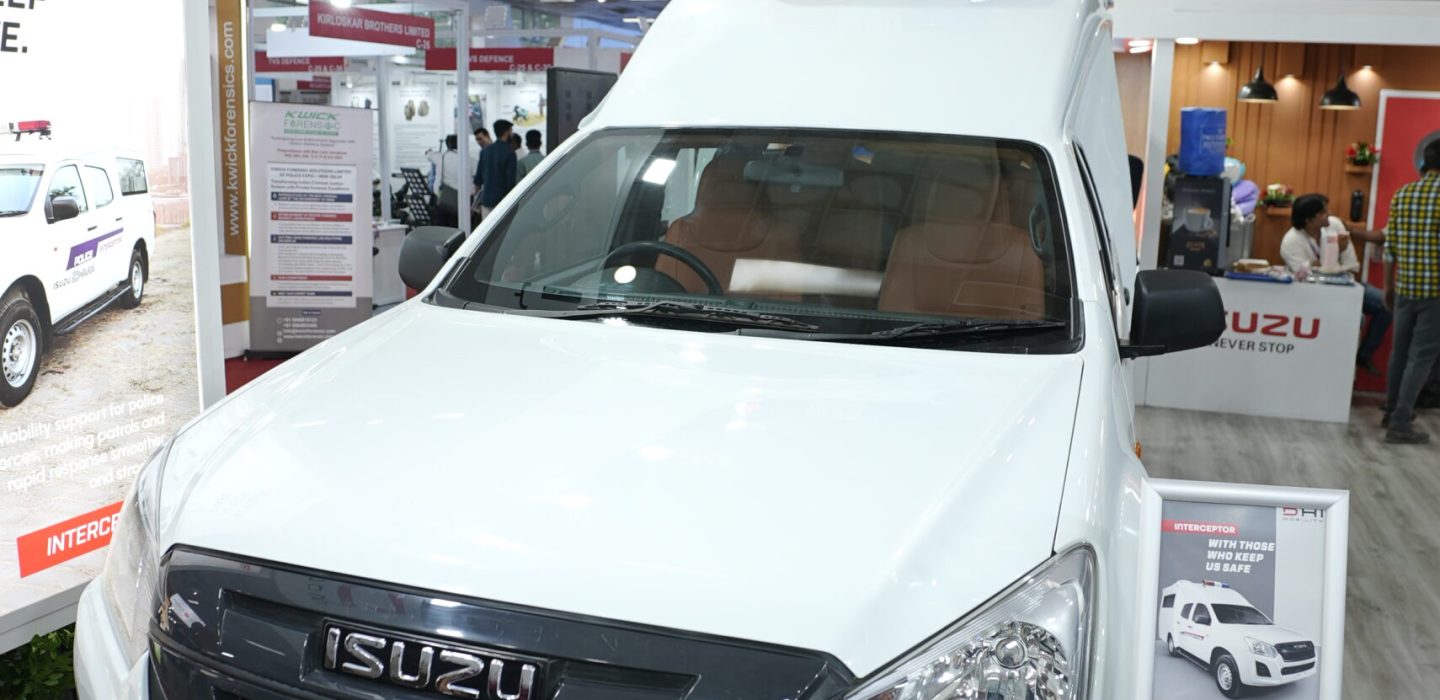
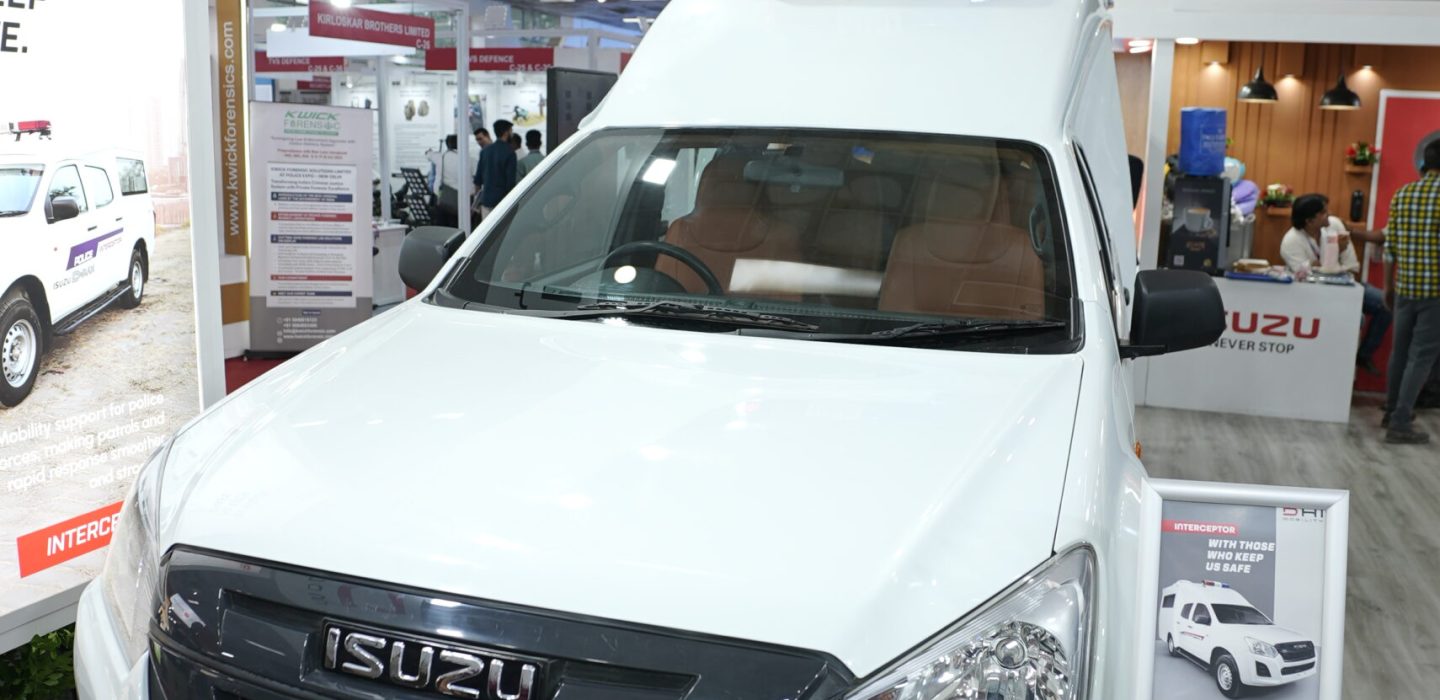
Purpose-built Special Purpose Vehicles allow manufacturers to consider the actual requirements of the application during the design and engineering process.
For rescue teams, that can mean better use of available space, easier access to equipment, and a configuration that reflects how the vehicle will actually be used.
Building Safer, More Responsive Cities
As Indian cities grow, managing traffic will require more than preventing congestion.
Cities also need to be prepared for the incidents that inevitably occur on busy roads.
Reliable advanced traffic rescue vehicles can form an important part of that preparedness. They help bring trained teams and specialised equipment closer to the point where they are needed.
For organisations developing Special Purpose Vehicles, the focus is therefore not simply on creating another vehicle. It is on understanding the situation the vehicle will face and engineering it accordingly.
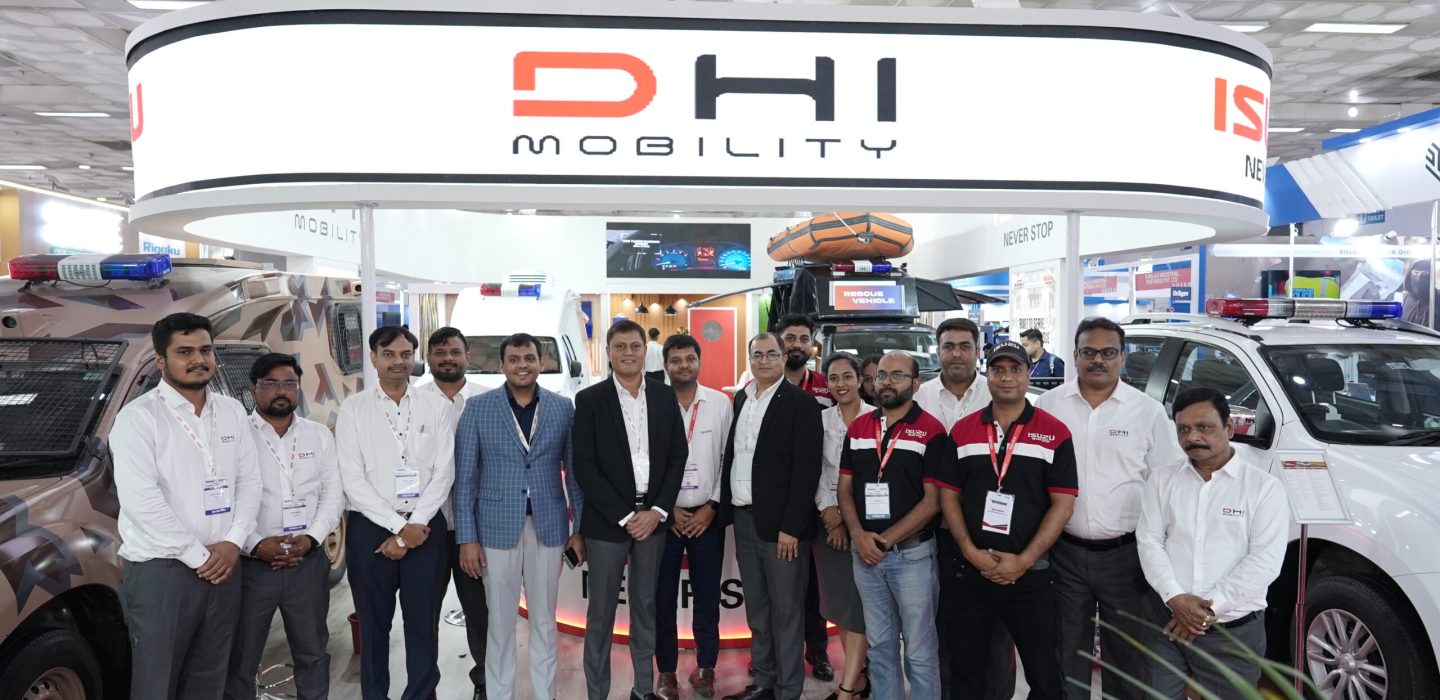
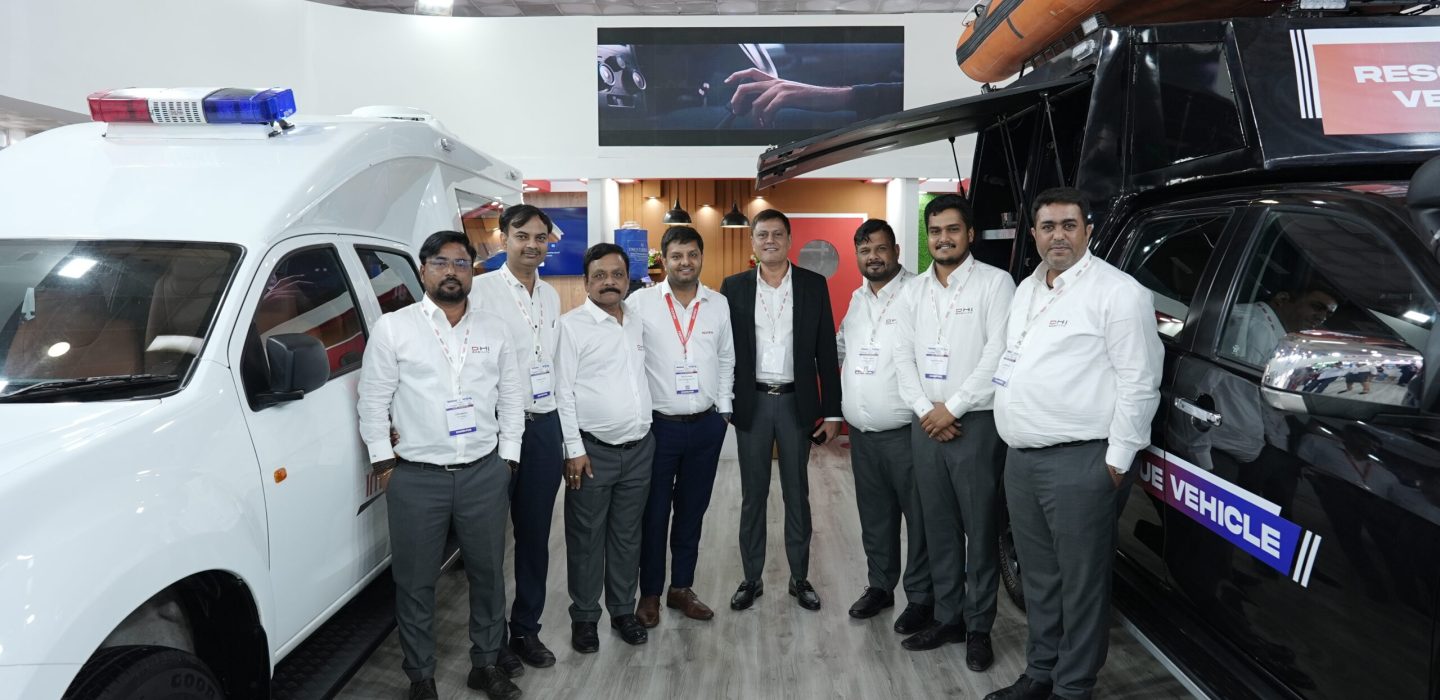
DHI Mobility develops Special Purpose Vehicles for specialised applications, including emergency and rescue operations. By combining vehicle platforms with application-specific configurations, the focus remains on giving field teams mobility that works for the job at hand.
Because a smart city is not only one that moves efficiently. It is also one that knows how to respond when the unexpected brings that movement to a stop.