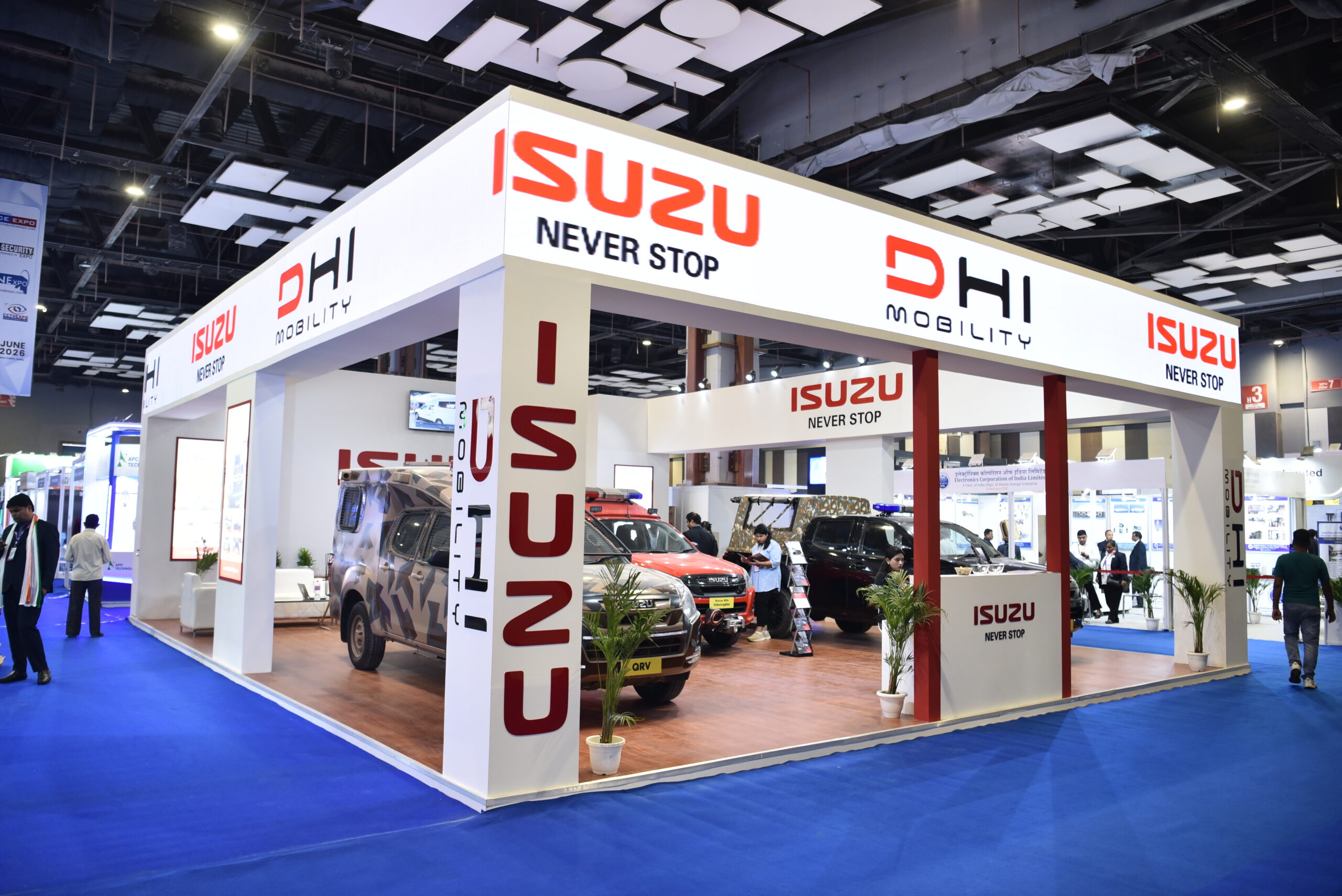

Emergencies demand immediate action, and every minute can make the difference between life and death. Whether it’s a road accident, medical emergency, fire, natural disaster, or law enforcement situation, Quick Response Vehicles are designed to reach the scene rapidly and provide immediate assistance. Across India, these specialized vehicles are becoming an essential part of modern emergency response and public safety.
What Is a Quick Response Vehicle?
A Quick Response Vehicle (QRV) is a specially designed Emergency Response Vehicle equipped with advanced communication systems, rescue equipment, medical supplies, warning lights, and navigation technology. These vehicles are built for speed, mobility, and rapid deployment, allowing emergency teams to respond faster than conventional vehicles.
Quick Response Vehicles are widely used by police departments, disaster management agencies, fire services, ambulance teams, and industrial emergency units.
Why Quick Response Vehicles Are Important
The first few minutes after an emergency are often the most critical. Quick Response Vehicles help authorities:
- Reach accident sites quickly
- Provide immediate medical assistance
- Secure disaster-affected areas
- Support rescue and evacuation operations
- Improve coordination between emergency agencies
- Reduce response time and save more lives
Their ability to arrive quickly helps minimize injuries, property damage, and operational delays.
Role in Police and Public Safety
A Police Quick Response Vehicle plays a key role in maintaining law and order during emergencies. Equipped with real-time communication systems, surveillance equipment, GPS tracking, and emergency lighting, these vehicles enable police officers to respond quickly to crimes, public disturbances, traffic incidents, and security threats.
As a modern Public Safety Vehicle, it also supports crowd management, VIP security, disaster response, and emergency coordination.
Features of Modern Quick Response Vehicles
Today’s Emergency Rescue Vehicle solutions are equipped with advanced technology to improve operational efficiency, including:
- GPS navigation and live vehicle tracking
- Wireless communication systems
- LED emergency lighting and sirens
- Medical first-aid kits
- Rescue and safety equipment
- Mobile command and communication systems
- High-performance storage solutions for emergency tools
These features ensure that rescue teams are prepared to respond effectively in any situation.
Supporting Rapid Emergency Response
A Rapid Response Vehicle is designed to reach emergency locations in the shortest possible time. Whether responding to floods, fires, industrial accidents, or public emergencies, these vehicles enable authorities to deliver immediate support before larger rescue teams arrive.
Their quick deployment improves coordination, speeds up rescue operations, and increases the chances of saving lives.
The Future of Emergency Response in India
With the adoption of smart technologies, Quick Response Vehicles are becoming more intelligent and efficient. Features such as AI-powered surveillance, real-time communication, drone integration, and connected emergency systems are helping emergency agencies respond faster and manage incidents more effectively.
As India’s cities and infrastructure continue to grow, investing in modern emergency response vehicles will strengthen public safety and disaster preparedness.
Conclusion
Every second matters during an emergency, and Quick Response Vehicles are designed to make those seconds count. From assisting police and rescue teams to supporting disaster management and medical emergencies, these specialized vehicles improve response time, enhance public safety, and help save lives. Modern Emergency Response Vehicles are becoming an essential part of India’s emergency infrastructure, ensuring faster, smarter, and more effective rescue operations.